

Living with depression can feel like being caught in a storm, even when the South Florida sun is shining brightly outside. While the region is known for its vibrant lifestyle and beautiful beaches, it’s also home to a robust mental health community offering a diverse array of therapies for depression. The key to finding relief often lies not just in seeking help, but in finding the right kind of help – a treatment plan truly tailored to your unique needs.
Depression is a complex condition, and what works for one person may not work for another. Factors such as the severity of your symptoms, co-occurring conditions, personal preferences, lifestyle, and even financial considerations all play a crucial role in determining the most effective path to healing.
Understanding Your Options: A Spectrum of Therapies
South Florida offers a comprehensive range of evidence-based depression treatments, from traditional talk therapies to cutting-edge neurological interventions.
Psychotherapy (Talk Therapy)
This is often the cornerstone of depression treatment, helping individuals understand and manage their thoughts, emotions, and behaviors.
- Cognitive Behavioral Therapy (CBT): A highly effective therapy that helps you identify and challenge negative thought patterns and develop healthier coping mechanisms.
- Dialectical Behavior Therapy (DBT): Focuses on emotional regulation, distress tolerance, interpersonal effectiveness, and mindfulness – particularly helpful for those with co-occurring conditions or intense emotional dysregulation.
- Interpersonal Therapy (IPT): Concentrates on improving relationships and social functioning, as issues in these areas often contribute to or exacerbate depression.
- Psychodynamic Therapy: Explores unconscious patterns and past experiences that may be influencing current emotional states and behaviors.
- Eye Movement Desensitization and Reprocessing (EMDR): While primarily known for trauma, EMDR can be beneficial for depression stemming from past distressing experiences.
Medication Management
Antidepressant medications can help regulate brain chemistry, often used in conjunction with psychotherapy. A psychiatrist or psychiatric nurse practitioner can assess if medication is a suitable option for you.
- SSRIs (Selective Serotonin Reuptake Inhibitors): Commonly prescribed, they work by increasing serotonin levels in the brain.
- SNRIs (Serotonin-Norepinephrine Reuptake Inhibitors): Affect both serotonin and norepinephrine.
- Atypical Antidepressants: A broader class including medications like bupropion, which can target different neurotransmitters.
Advanced and Neuromodulation Therapies
For individuals with treatment-resistant depression who haven’t responded to traditional approaches, South Florida offers advanced options:
- Transcranial Magnetic Stimulation (TMS): A non-invasive procedure that uses magnetic fields to stimulate specific brain regions involved in mood regulation. It’s an outpatient procedure with minimal side effects.
- Esketamine (Spravato) Nasal Spray: A nasal spray derivative of ketamine, administered in a certified clinic under supervision, for rapid symptom relief in severe, treatment-resistant depression.
- Electroconvulsive Therapy (ECT): While often misunderstood, ECT is a highly effective and safe treatment for severe depression, especially when other options have failed. It requires anesthesia.
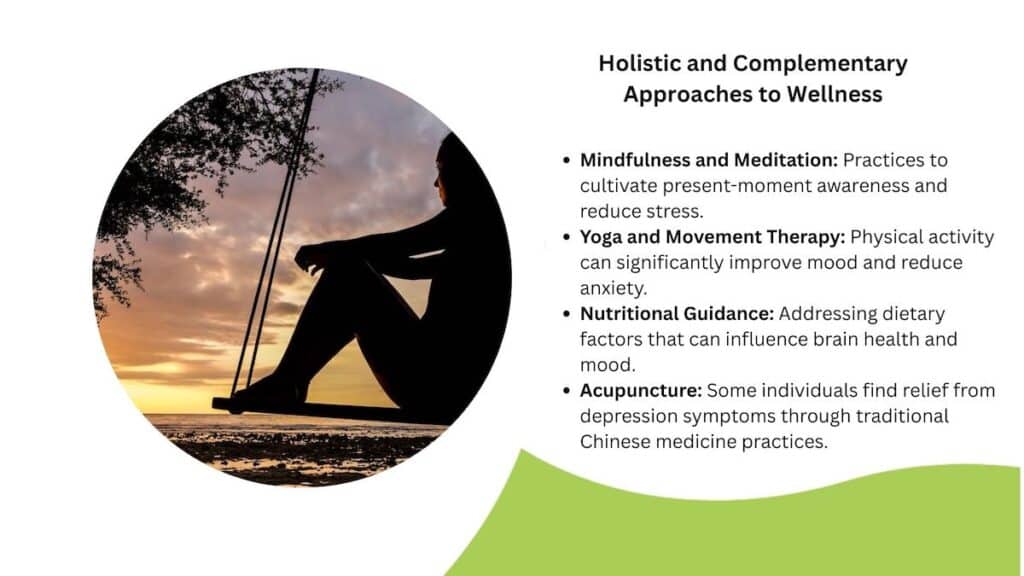
Holistic and Complementary Approaches
Many South Florida practices also integrate holistic elements to support overall well-being:
- Mindfulness and Meditation: Practices to cultivate present-moment awareness and reduce stress.
- Yoga and Movement Therapy: Physical activity can significantly improve mood and reduce anxiety.
- Nutritional Guidance: Addressing dietary factors that can influence brain health and mood.
- Acupuncture: Some individuals find relief from depression symptoms through traditional Chinese medicine practices.
How to Find Your Best Fit in South Florida
Finding the right treatment involves collaboration between you and your healthcare provider. Consider these factors:
- Severity and Type of Depression: A thorough assessment by a mental health professional is crucial to determine the most appropriate initial steps. For severe depression, more intensive treatment (like partial hospitalization programs or residential care) might be recommended initially.
- Co-occurring Conditions: Many people with depression also experience anxiety, trauma, or substance use disorders. An integrated treatment approach that addresses all conditions simultaneously is often most effective.
- Personal Preferences: Do you prefer talk therapy over medication? Are you open to newer, innovative treatments? Your comfort and commitment to a particular therapy significantly impact its success.
- Lifestyle and Time Commitment: Some therapies, like daily TMS sessions, require a significant time commitment. Outpatient therapy offers more flexibility for those balancing work or family obligations.
- Financial Considerations: Insurance coverage for various therapies can differ. Discuss costs, payment plans, and insurance verification with potential providers. South Florida has a range of options, from private practices to larger centers, with varying fee structures.
- Therapist-Client Match: The relationship with your therapist is paramount. Look for a professional with whom you feel comfortable, respected, and understood. Don’t hesitate to meet with a few different therapists before committing.
- Credentials and Specializations: Understand the different types of mental health professionals (psychiatrists, psychologists, licensed mental health counselors, licensed clinical social workers) and their areas of expertise. A psychiatrist can prescribe medication, while psychologists often specialize in various forms of therapy and assessment.
Depression Treatment FAQs
Schedule Your Complimentary TMS Screening Today
At My TMS Therapy, we’re here to help you restore your energy and joy. Our compassionate team will guide you through every step of the process.
Call us at (877) 548-8081 or contact us online to book your screening today.
Sources:
Anxiety & Depression Association of America. (n.d.). Understanding and Treating Depression. https://adaa.org/understanding-anxiety/depression/facts-statistics
Mayo Clinic. (2023, July 29). Depression (major depressive disorder). https://www.mayoclinic.org/diseases-conditions/depression/diagnosis-treatment/drc-20356013
National Institute of Mental Health. (n.d.). Depression. https://www.nimh.nih.gov/health/topics/depression
Psychiatrist.com. (2018, November 1). Factors That Impact Treatment Decisions: Results From an Online Survey of Individuals With Bipolar and Unipolar Depression. https://www.psychiatrist.com/pcc/factors-that-impact-treatment-decisions/